

Arizona’s state capitol holds a fascinating history. It began in 1864 when the territorial capital moved to Prescott. This marked the start of a journey that would shape Arizona’s political landscape.
The capital later moved to Tucson in 1867 and then relocated back to Prescott in 1877. Each move reflected the growing and changing needs of the territory. By 1889, Phoenix was chosen as the permanent capital due to its central location and expansion.
Completed in 1901, the Arizona State Capitol building in Phoenix stands as a testament to the state’s development. Its classic design and rich history draw visitors eager to learn about Arizona’s past. Discovering this history offers insights into the evolution of the state and its governance.
Origins of the Arizona Capitol
The beginnings of the Arizona Capitol are rooted in its territorial days and the decisions about its location and land. These early choices shaped the state’s political center and laid the groundwork for its future development.
Territorial Precursors
Before becoming a state, Arizona was a territory with various capitals. The first official capital was Fort Whipple in Prescott, chosen in 1864. Prescott served as the capital, but only briefly. In 1867, the capital moved to Tucson until 1877, then returned to Prescott.
Throughout this period, the choice of capital was political and strategic. Officials aimed to balance the needs and interests of different groups. This back-and-forth symbolized the challenges of governing a new and evolving territory, setting the stage for a permanent location.
Site Selection and Land Acquisition
When Arizona gained statehood in 1912, Phoenix became the capital. This choice resulted from its central location, population growth, and economic potential. The site selection involved careful plans to ensure it served the state well.
Land for the capitol was acquired through state resources and investments, reflecting a commitment to building a lasting seat of government. Today, the Arizona State Capitol is a testament to these critical early decisions, marking the transition from territorial days to statehood.
Architectural Development
The Arizona State Capitol has undergone significant architectural changes since its inception. These changes reflected the growth of the state and its evolving needs.
Initial Design and Construction
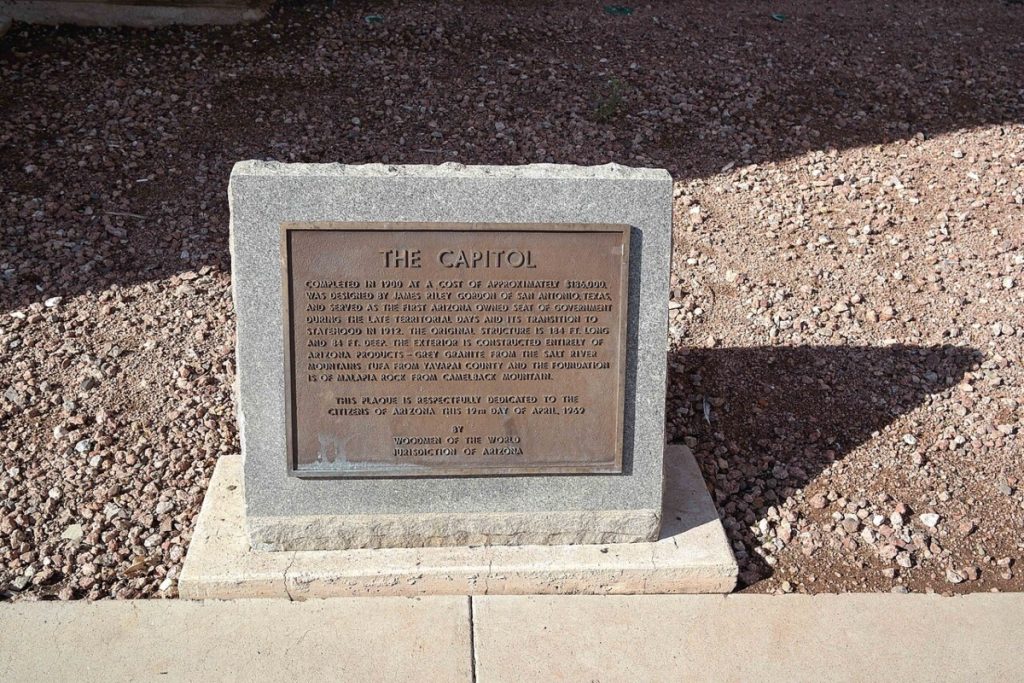
The original design of the Arizona State Capitol, completed in 1901, was crafted by architect James Riely Gordon. Influenced by late 19th-century architectural styles, the building combined elements of classic revival and territorial architecture. The design featured a dome made from copper, which symbolized Arizona’s mining heritage.
Constructed with locally sourced materials, the building used granite from the Salt River and copper mined in the state. Inside, the use of stained glass and skylights allowed natural light to illuminate the key areas. The original floors were made from mosaic tiles featuring patterns that added an artistic touch to the interior.
Early Expansion and Renovations
As Arizona grew, so did its need for expanded government facilities. The first major expansion began in 1918 to accommodate the increasing legislative needs. This expansion included the construction of two wings, which flanked the original structure.
Renovations during this period focused on practical enhancements, such as installing more modern plumbing and electrical systems. Educational displays about Arizona’s history and statehood were added to engage visitors.
The preservation of original features was prioritized while also updating areas for better functionality. Careful attention was paid to ensuring that alterations remained true to the stylistic origins of the initial design.
Modern Refurbishments
In recent decades, refurbishments aimed to both preserve and modernize the Capitol. These efforts included upgrading wiring and climate control systems to meet contemporary standards. Energy-efficient lighting and enhanced security measures were installed.
The exterior underwent restoration to repair stonework and preserve its historical appearance. Internally, efforts focused on improving visitor accessibility, including the addition of ramps and updated restroom facilities.
These modern updates respect the building’s historical significance while ensuring it meets the demands of today’s governance. Through these carefully considered changes, the Arizona State Capitol stands as a meld of old-world charm and modern functionality.
Legislative Use and Functions
Arizona’s capitol has served as a hub of legislative activity from its early days. It evolved from territorial governance to a fully operational state legislature. Today, it functions with modern legislative procedures, reflecting changes in law and governance.
Early Governance and Administration
During its territorial period, Arizona’s legislative body consisted of a governor appointed by the President and a bicameral legislature. There were 9 council members and 18 House representatives. These officials were responsible for making laws, managing budgets, and administration.
Committees played an important role in initial legislative functions. The laws addressed issues like regional security, transportation, and education. This period laid the groundwork for more extensive governance as Arizona moved towards statehood.
Transition to Statehood
After gaining statehood in 1912, Arizona’s legislature expanded in scope and responsibility. A bicameral system was established, with the Senate and the House of Representatives. Statehood allowed for greater legislative autonomy, including decisions on infrastructure, public welfare, and resource management.
The Arizona Constitution was created, outlining citizen’s rights and legislative powers. The legislative body also became more involved in federal issues, leading to changes in how laws were enacted and enforced.
Contemporary Legislative Operations
Today, the Arizona legislature consists of 30 senators and 60 representatives, meeting annually in a regular session. They enact laws, pass the state budget, and serve as a check on the executive branch. The legislative process involves various stages: committee review, debate, and voting.
Advances in technology have introduced electronic voting and online bill tracking to increase efficiency. Public participation is encouraged through hearings and open sessions. These changes ensure that legislative processes are transparent and accessible to the public.
Cultural and Historical Significance
The Arizona State Capitol has played a vital role in shaping the state’s identity. Its symbols represent the rich heritage of Arizona. Many important events and figures have been a part of its history. It also serves as a hub for public engagement and education.
Symbols of Arizona’s Heritage
The Arizona State Capitol is home to many symbols that reflect the state’s unique culture and history. One prominent symbol is the copper dome. This feature highlights Arizona’s nickname, the “Copper State.”
The distinctive “Winged Victory” statue stands atop the dome. It represents the triumph and progress of the state. Inside, murals depict scenes from Arizona’s past, celebrating its diverse history and cultures. These symbols serve as reminders of Arizona’s journey and achievements.
Historic Events and Figures
The Capitol has been center stage for many historic events and figures. It has hosted legislative sessions since its completion in 1901. Important legislation shaping Arizona was debated and passed within its walls.
Notable figures have worked here, contributing to Arizona’s growth and governance. Key decisions, such as Arizona’s transition from territory to statehood in 1912, were made here. The enduring legacy of these events highlights the Capitol’s role in Arizona’s political and social evolution.
Public Engagement and Education
The Arizona State Capitol actively involves the community through various programs. It offers tours that educate the public about the state’s history and governance. Schools visit the Capitol to learn about civic processes.
The Capitol Museum displays exhibits on Arizona’s history, making learning accessible to all ages. Public events and ceremonies are often hosted, allowing residents to participate in state and civic affairs. This engagement fosters a deeper connection between the government and its citizens.
Visitor Experience
Visitors to the Arizona State Capitol can enjoy guided tours and explore fascinating exhibits. The experience offers insight into the state’s history, government workings, and significant artifacts.
Tours and Public Access
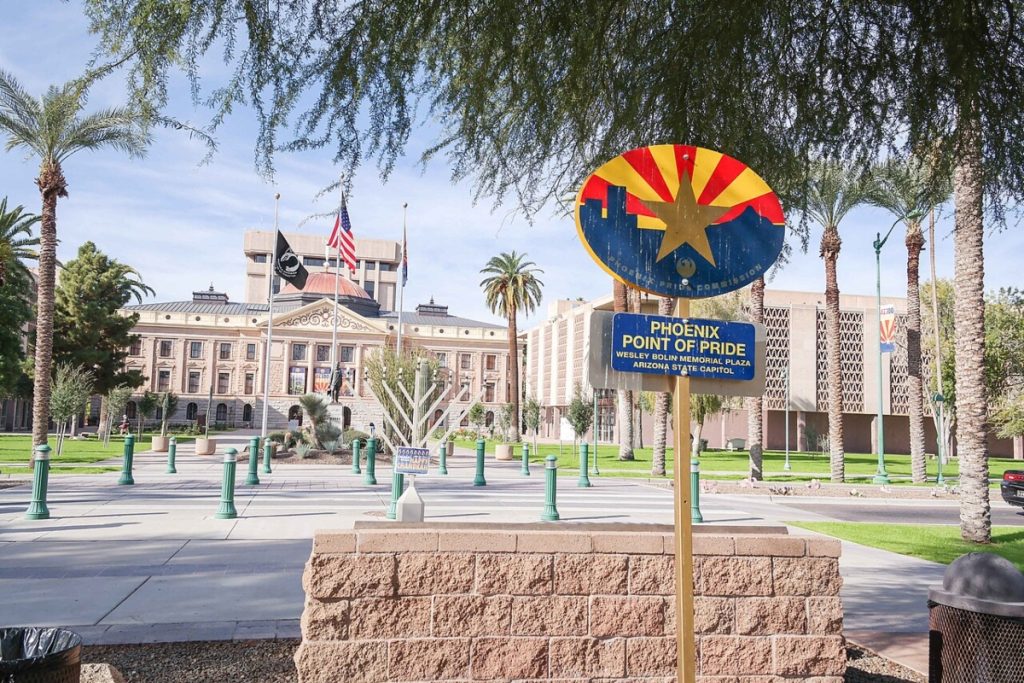
Tours of the Arizona State Capitol are available to the public, providing rich information about the building’s history and its role in the state government. These tours are typically led by knowledgeable guides who share historical facts and stories.
Access is generally free, but visitors may need to schedule their visit in advance, especially for larger groups. There are both self-guided and guided tour options. Self-guided tours allow visitors to explore at their own pace.
The building is open to the public on weekdays, making it easy for both tourists and locals to visit. Special events, such as legislative sessions or ceremonies, may also be open to the public. This provides a unique opportunity to witness the state’s government in action.
Exhibits and Collections
The Arizona State Capitol features a variety of exhibits that highlight the state’s unique history and cultural heritage. Permanent exhibits showcase important political events, historical timelines, and significant figures in Arizona’s development.
Rotating exhibits bring fresh perspectives, offering a diverse glimpse into different aspects of the state’s past. Collections may include original artifacts, historical documents, and photographs.
The building itself is considered a museum, reflecting Arizona’s past through restored rooms and decor. Visitors can observe where state leaders have worked throughout history, adding a personal connection to the educational experience.
See also: Phoenix Art Museum’s Must-See Exhibits and Local Artists