If you’re thinking about starting a business in Arizona that involves alcohol—whether it’s a bar, restaurant, liquor store, or even a craft brewery—understanding the state’s liquor license system is a must. Arizona’s liquor laws can feel overwhelming, but they don’t have to be.
This guide explains the main types of liquor licenses, how to apply for them, and what you need to know to stay compliant. It’s designed for anyone curious about the process, from first-time business owners to locals wanting to learn more about how alcohol sales work in the state.
Why Liquor Licenses Are Important
In Arizona, a liquor license is a legal permit from the Arizona Department of Liquor Licenses and Control (DLLC) that lets you sell, serve, or produce alcohol. Each license type has its own rules about what you can do, so picking the right one is key to running your business legally.
The state uses a quota system for some licenses, which limits how many are available, and local rules (especially in places like Phoenix) can add extra steps. This guide will walk you through it all, step by step.
Key Liquor License Types in Arizona
Arizona offers a range of liquor license series, each designed for different types of businesses.
Below are the most common licenses relevant to beverage consultants:
Series 6 (Bar License)
This license allows businesses to sell and serve all types of alcohol for both on-site and off-site consumption. Unlike other licenses, there is no requirement for food sales, making it ideal for bars and lounges focused primarily on alcohol service. However, Series 6 licenses are part of Arizona’s quota system, meaning they are limited in number and can be expensive to acquire.
Series 12 (Restaurant License)
Designed for restaurants, this license permits the sale of all types of alcohol for on-site consumption only. A key requirement is that at least 40% of the business’s gross revenue must come from food sales. This ensures that the establishment operates as a restaurant rather than a bar, aligning with Arizona’s regulatory goals.
See the legal details: Arizona Revised Statuses – Title 4
Series 7 (Beer and Wine Bar License)
The Beer and Wine Bar license allows businesses to sell beer and wine for both on-site and off-site consumption. It is suitable for establishments that do not wish to serve spirits but still want to offer alcohol. Like the Series 6, it is part of the quota system, which can affect availability.
Series 9 (Liquor Store License)
Liquor Store license is for businesses that sell all types of alcohol for off-site consumption, such as liquor stores. It is also a quota license, making it one of the more sought-after and potentially costly options.
Other relevant licenses include:
- Series 1 (In-State Producer): For businesses producing beer, wine, or distilled spirits in Arizona.
- Series 4 (Wholesaler): For distributors selling to retailers.
- Series 13 (In-State Farm Winery): For wineries producing between 200 and 40,000 gallons annually.
For a deeper dive into Arizona’s liquor license options, the table below provides a comprehensive overview of the most relevant types. It covers Series 1 through 13, detailing each license’s purpose, privileges, and key requirements.
| Series | Type | Privileges | Requirements |
|---|---|---|---|
| 1 | In-State Producer | Produces beer, wine, distilled spirits; sells to wholesalers and on-site patrons | Must be an in-state producer, annual reporting |
| 2 | Out-Of-State Producer | Ships beer, wine, distilled spirits to Arizona wholesalers | Must comply with pricing regulations |
| 4 | Wholesaler | Warehouses, sells, distributes to retailers | Must be a licensed wholesaler, annual reporting |
| 5 | Government | On-sale retail for government entities, on-premises consumption | Issued to counties, cities, universities, etc. |
| 6 | Bar | On- and off-sale of all types of alcohol | No food sales requirement, transferable within county |
| 7 | Beer and Wine Bar | On- and off-sale of beer and wine only | No spirits, can sell in original containers |
| 9 | Liquor Store | Off-sale of all types of alcohol | For retail off-premises consumption |
| 12 | Restaurant | On-sale of all types of alcohol, on-premises only | At least 40% gross revenue from food sales |
| 13 | In-state Farm Winery | Produces wine, on- and off-sale, sells to retailers | Must produce 200-40,000 gallons annually |
Each license type serves a distinct purpose, and beverage consultants must carefully assess their client’s business model to recommend the most appropriate option.
The Application Process: What to Expect
Applying for a liquor license in Arizona involves several steps, and the process can take anywhere from 40 days to six months, depending on the complexity of the application and local requirements.
Here is an overview of the key steps:
- Determine the Correct License Type: Based on the client’s business model, consultants must identify the appropriate license series.
- Check Eligibility: Applicants must meet criteria such as being at least 21 years old, having no felony convictions in the past five years, and being a U.S. citizen or legal resident.
- Prepare Documentation: This may include floor plans, menus (for restaurants), proof of ownership or lease, and an Alien Status Form for partnerships.
- Submit the Application to the DLLC: The application is submitted to the Arizona Department of Liquor Licenses and Control for initial review.
- Local Review (Phoenix-Specific): For businesses in Phoenix, the application is forwarded to the City Clerk’s office for local review, which includes zoning compliance checks and a 20-day public comment period.
- Pay Fees and Attend Hearings (if necessary): Fees vary by license type, typically ranging from $2,000 to $5,000. Some applications may require a hearing before the DLLC or local authorities.
The quota system for licenses like Series 6, 7, and 9 can complicate the process, as these licenses are limited and may need to be purchased on the open market or obtained through a lottery.
Consultants should advise clients on the potential costs and timelines associated with these licenses.
Navigating Local Regulations in Phoenix, AZ
If your business is in Phoenix, the process gets a bit trickier. The City Clerk’s office reviews every application to make sure it fits zoning laws and gives the public 20 days to weigh in. If neighbors object or your location doesn’t meet rules, it could slow things down.
Phoenix also offers Series 15 (Special Event) licenses for temporary alcohol sales at events—handy to know if you’re hosting something short-term.
Ready to Experience Arizona’s Best Cocktails? Visit Barter & Shake
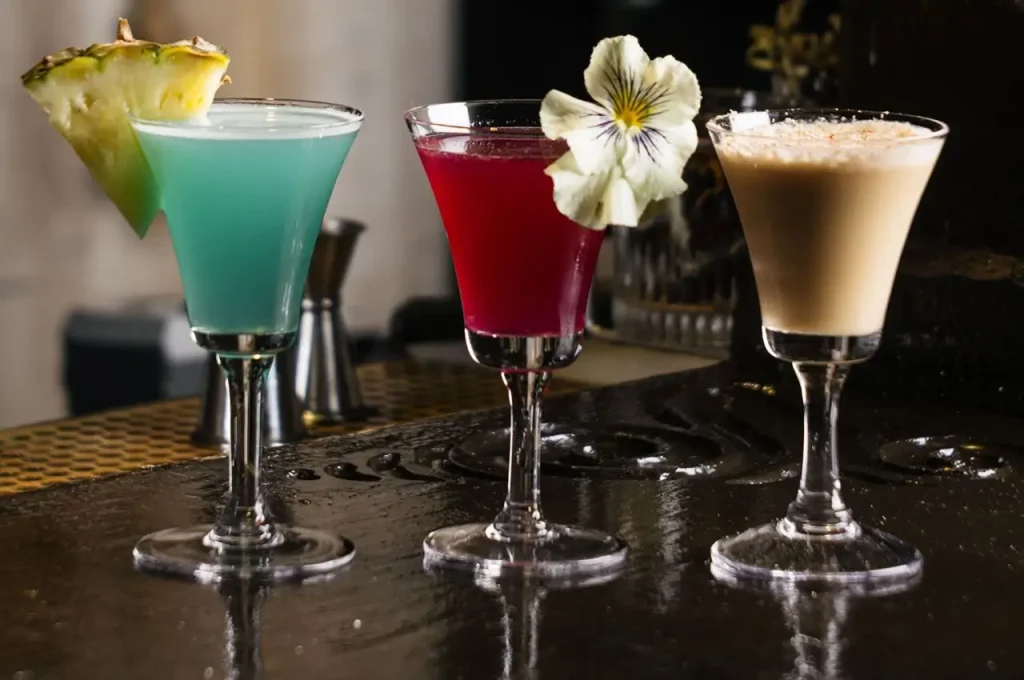
If you’re looking for an unforgettable cocktail experience, Barter & Shake offers a curated selection of bars in Phoenix. Explore the vibrant nightlife scene and discover unique cocktails crafted by talented mixologists.
Visit one of our recommended bars today and let us elevate your night out with a cocktail experience you won’t forget.